

Commercial Property Insurance Online :: News
SHARE

Share this news item!

Electronic Livestock Tags Put Farm Records Under the Spotlight

Traceability reforms are a practical reminder to check stock values, claims evidence and biosecurity plans

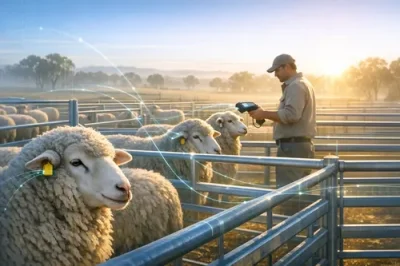
Electronic Livestock Tags Put Farm Records Under the Spotlight?w=400

The information on this website is general in nature and does not take into account your objectives, financial situation, or needs. Consider seeking personal advice from a licensed adviser before acting on any information.

Australia’s sheep and goat electronic identification rollout is moving from policy discussion into everyday farm management, and its insurance implications should not be overlooked.
Recent rural reporting has highlighted the practical work now facing producers, agents, processors and saleyards as the industry shifts towards stronger individual animal traceability.

For many farm businesses, eID is being treated as a compliance and biosecurity issue. That is understandable. Faster tracing can help authorities respond more effectively to disease threats, stock movements and market-access concerns. But for insurance planning, the same systems can also strengthen the quality of records behind livestock values, ownership, movements and losses.

That matters because livestock claims are often evidence-heavy. After theft, fire, flood, dog attack, transport loss or other insured events, a producer may need to show what stock was on hand, where it was located, how it was identified and what it was worth. Paper records, memory and broad paddock estimates can leave gaps, particularly where mobs are split across multiple blocks or agistment properties.

Electronic tagging will not remove the need for sound management records, nor will it automatically broaden policy wording. However, it may make it easier for producers to reconcile stock numbers, demonstrate movement history and support a claim file. The real benefit comes when eID data is kept consistently and matched with sale documents, breeding records, veterinary notes and on-farm inventories.

Producers should use the rollout as a prompt to review three areas:

  • Whether insured livestock values reflect current market prices, breeding quality and seasonal stocking decisions.
  • How quickly stock records could be produced after a loss, especially during a regional emergency.
  • Whether policy exclusions, disease conditions, transit limits and theft requirements are clearly understood.

There is also a cost-management angle. Tags, readers, software, training and data administration can become part of the operating environment for sheep and goat enterprises. Where technology is mounted in yards, sheds, vehicles or handling systems, it may need to be considered alongside machinery, plant or contents cover.

As with any change in farm operations, the insurance review should be practical rather than rushed. Producers can estimate the replacement value of key assets, then speak with an adviser or broker about how livestock, equipment, liability and business interruption exposures fit together. The eID transition is primarily about traceability, but it is also a timely reminder that accurate records are one of the strongest tools a farm business has when it needs cover to respond.

Published:Wednesday, 2nd Sep 2026
Author: Paige Estritori

Please Note: We do not endorse any specific products or companies. Some content is sourced from third parties, including press releases, and may not be independently verified for accuracy or completeness.

Share this news item:

Rate this article

0 Comments

No comments yet. Be the first to share your thoughts.

Insurance News

Why Claims Delays Are a Wake-Up Call for Truck Operators
03 Sep 2026: Paige Estritori
Fresh industry reporting on insurance dispute volumes has again put claim handling under the microscope, with delays, communication gaps and disagreements over policy response continuing to frustrate policyholders. For transport businesses, the issue is especially important because a commercial vehicle claim is rarely just about repairing metal. A grounded truck can interrupt contracts, leave freight undelivered and place immediate pressure on cash flow. - read more
Why Severe Weather Should Trigger an Insurance Check for Tradies
03 Sep 2026: Paige Estritori
Renewed insurance industry warnings about severe weather are a practical reminder for Australian tradespeople: storm risk is not limited to damaged homes and flooded streets. It can also affect tools in a ute, materials stored on site, unfinished work, temporary fencing, scaffolding, electrical gear, excavation areas and client property surrounding a job. - read more
Why Advice Reform Could Help Australians Understand Their Income Cover
03 Sep 2026: Paige Estritori
Australia’s financial advice reform debate has moved back into the spotlight, with life insurers and advice groups continuing to argue that many people need simpler, more affordable help to understand the insurance they already hold. For income insurance customers, the issue is practical: cover can look straightforward on a statement, but the detail often sits in definitions, waiting periods, offsets, exclusions and claim conditions. - read more
What electric truck uptake means for your cover
03 Sep 2026: Paige Estritori
Recent fleet and transport industry coverage has again highlighted faster movement toward battery-electric and lower-emissions heavy vehicles in Australia, with truck makers, councils, logistics operators and specialist fleets moving beyond short demonstration runs. For truck operators, the insurance question is not simply whether electric trucks are better or worse than diesel. The practical issue is whether the policy reflects a different asset profile, different repair pathway and different downtime risk. - read more
Why Repair Bottlenecks Matter for Farm Insurance Claims
02 Sep 2026: Paige Estritori
Fresh industry concern about repair delays after severe weather is highly relevant for Australian farms, where a damaged shed, washed-out access track or unavailable part can quickly interrupt day-to-day operations. While the wider insurance discussion often focuses on homes and commercial buildings, the same pressure points can be even more complex on rural properties because assets are spread out, specialist equipment is involved and local contractor availability may be limited. - read more


Commercial Property Insurance Articles

Is Commercial Property Insurance Mandatory for Businesses?
Commercial property insurance is designed to help protect business premises, equipment, stock and other physical assets from insured events such as fire, theft, vandalism, storm damage and other property-related risks. It may not be mandatory for every business, but it is often an important part of managing the financial impact of unexpected damage or disruption. - read more
Is Commercial Property Insurance Mandatory? What Every Landlord Should Know
Commercial property insurance is a type of coverage designed to protect property landlords and investors from various risks. It typically encompasses buildings, equipment, and other assets associated with commercial spaces. Understanding this insurance is crucial for anyone involved in property leasing or investment, as it can safeguard against significant financial loss. - read more
Commercial lease insurance responsibilities for landlords and tenants
In a leased commercial property, insurance responsibility is usually divided between the landlord, the tenant and sometimes a strata or owners corporation. The lease, property ownership structure and policy wording determine who must insure the building, fit-out, contents, glass, liability risks and income-related losses. - read more
What Factors Affect Commercial Property Insurance Premiums?
Commercial property insurance is designed to protect businesses and landlords against losses to their buildings and other related assets. This type of insurance covers various incidents, such as fire, theft, and damage from natural disasters. It's essential for safeguarding not just the physical property but also the livelihood associated with the business operations conducted within that space. - read more
Natural Disasters and Your Commercial Property: Is Your Insurance Adequate?
Australia is known for its diverse landscapes, but one of the harsher realities it faces is the increasing frequency of natural disasters. From bushfires in the outback to devastating floods in urban areas, these events can have severe implications for commercial properties. Business owners must navigate the challenges of not only protecting their assets but also ensuring the continuity of their operations. - read more

Knowledgebase
Insurance Policy:
Broadly, the entire written contract of insurance. More narrowly, the basic written or printed document, as distinguished from the forms and endorsements added thereto.