

Commercial Property Insurance Online :: News
SHARE

Share this news item!

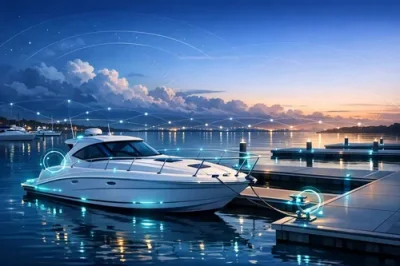
What Global Marine Risk Trends Mean for Australian Boat Owners

Fire prevention, storm planning and policy details remain the practical takeaways

What Global Marine Risk Trends Mean for Australian Boat Owners?w=400

The information on this website is general in nature and does not take into account your objectives, financial situation, or needs. Consider seeking personal advice from a licensed adviser before acting on any information.

Fresh global marine risk reporting has again highlighted a useful contrast for Australian boat owners: major vessel losses may be improving over the long term, but the risks that drive insurance claims are becoming more complex.
While international shipping data is not written for weekend skippers, yacht owners or local charter operators, the themes are familiar: fire, severe weather, machinery failure, navigation errors, theft exposure and rising repair costs can all turn a day on the water into a significant financial event.

For recreational owners, the most practical message is that risk management is not only a commercial shipping issue. Modern boats often carry high-value electronics, lithium-powered devices, sophisticated engines, refrigeration, solar systems and expensive fishing or watersports gear. Each upgrade can improve comfort and performance, but it can also change the risk profile of the vessel. If these additions are not reflected in the policy schedule or sum insured, a claim may not deliver the outcome the owner expects.

Commercial operators should also pay attention. Fishing tours, charters, sailing schools and hire arrangements can face different underwriting questions to private use, especially around passenger safety, maintenance records, crew training and navigation areas. This extends earlier local attention on incident data, where the lesson was that documented safety systems and clear operating procedures can be as important as the insurance policy itself.

Fire remains a standout issue because it can escalate quickly in a marina, at anchor or while a vessel is stored. Owners should treat electrical checks, battery charging practices, fuel system maintenance and onboard fire equipment as insurance-relevant tasks, not just good seamanship. Insurers may consider whether a loss was sudden and accidental, whether maintenance was reasonable and whether excluded causes such as gradual deterioration played a role.

Weather exposure is another pressure point. Stronger storms, flood surge, hail, cyclonic conditions and marina damage can affect boats even when they are not being used. Before peak storm season, owners should check mooring conditions, storage arrangements, navigation limits, cyclone clauses, lay-up conditions, excesses and whether salvage or wreck removal is included. For higher-value vessels, calculating an updated sum insured can help identify whether recent equipment, engine or trailer costs have been properly allowed for.

The broader lesson is simple: global marine risk trends may seem distant, but the same fundamentals apply locally. A well-maintained boat, accurate disclosure, realistic insured values and a policy that matches actual use can make a major difference when a claim is assessed.

Published:Wednesday, 2nd Sep 2026
Author: Paige Estritori

Please Note: We do not endorse any specific products or companies. Some content is sourced from third parties, including press releases, and may not be independently verified for accuracy or completeness.

Share this news item:

Rate this article

0 Comments

No comments yet. Be the first to share your thoughts.

Insurance News

Why Claims Delays Are a Wake-Up Call for Truck Operators
03 Sep 2026: Paige Estritori
Fresh industry reporting on insurance dispute volumes has again put claim handling under the microscope, with delays, communication gaps and disagreements over policy response continuing to frustrate policyholders. For transport businesses, the issue is especially important because a commercial vehicle claim is rarely just about repairing metal. A grounded truck can interrupt contracts, leave freight undelivered and place immediate pressure on cash flow. - read more
Why Severe Weather Should Trigger an Insurance Check for Tradies
03 Sep 2026: Paige Estritori
Renewed insurance industry warnings about severe weather are a practical reminder for Australian tradespeople: storm risk is not limited to damaged homes and flooded streets. It can also affect tools in a ute, materials stored on site, unfinished work, temporary fencing, scaffolding, electrical gear, excavation areas and client property surrounding a job. - read more
Why Advice Reform Could Help Australians Understand Their Income Cover
03 Sep 2026: Paige Estritori
Australia’s financial advice reform debate has moved back into the spotlight, with life insurers and advice groups continuing to argue that many people need simpler, more affordable help to understand the insurance they already hold. For income insurance customers, the issue is practical: cover can look straightforward on a statement, but the detail often sits in definitions, waiting periods, offsets, exclusions and claim conditions. - read more
What electric truck uptake means for your cover
03 Sep 2026: Paige Estritori
Recent fleet and transport industry coverage has again highlighted faster movement toward battery-electric and lower-emissions heavy vehicles in Australia, with truck makers, councils, logistics operators and specialist fleets moving beyond short demonstration runs. For truck operators, the insurance question is not simply whether electric trucks are better or worse than diesel. The practical issue is whether the policy reflects a different asset profile, different repair pathway and different downtime risk. - read more
Why Repair Bottlenecks Matter for Farm Insurance Claims
02 Sep 2026: Paige Estritori
Fresh industry concern about repair delays after severe weather is highly relevant for Australian farms, where a damaged shed, washed-out access track or unavailable part can quickly interrupt day-to-day operations. While the wider insurance discussion often focuses on homes and commercial buildings, the same pressure points can be even more complex on rural properties because assets are spread out, specialist equipment is involved and local contractor availability may be limited. - read more


Commercial Property Insurance Articles

What does Commercial Property Insurance cover?
Commercial property insurance is vital for anyone who owns or operates a business that involves a physical location. This type of insurance protects your business premises, equipment, and any inventory within the space. Whether you're a landlord, a small business owner, or a property investor, having a solid understanding of commercial property insurance is essential. It not only safeguards your physical assets but also provides peace of mind for your financial investment. - read more
Natural Disasters and Your Commercial Property: Is Your Insurance Adequate?
Australia is known for its diverse landscapes, but one of the harsher realities it faces is the increasing frequency of natural disasters. From bushfires in the outback to devastating floods in urban areas, these events can have severe implications for commercial properties. Business owners must navigate the challenges of not only protecting their assets but also ensuring the continuity of their operations. - read more
Beyond the Basics: Essential Add-Ons for Comprehensive Commercial Property Insurance
Commercial property insurance is a vital safeguard for businesses and landlords, protecting physical assets from a variety of risks. This type of insurance covers a range of properties, from office buildings to retail spaces, ensuring that in the event of damage or loss, you have financial support to recover your investment. - read more
Commercial lease insurance responsibilities for landlords and tenants
In a leased commercial property, insurance responsibility is usually divided between the landlord, the tenant and sometimes a strata or owners corporation. The lease, property ownership structure and policy wording determine who must insure the building, fit-out, contents, glass, liability risks and income-related losses. - read more
How business interruption insurance works with commercial property cover
Business interruption insurance can help protect income when insured property damage disrupts trading, rent collection or normal operations. This guide explains how it works alongside commercial property cover, including claim triggers, indemnity periods, gross profit, loss of rent and key policy limitations. - read more

Knowledgebase
Deductible:
The amount you must pay out-of-pocket for expenses before your insurance company covers the remaining costs.